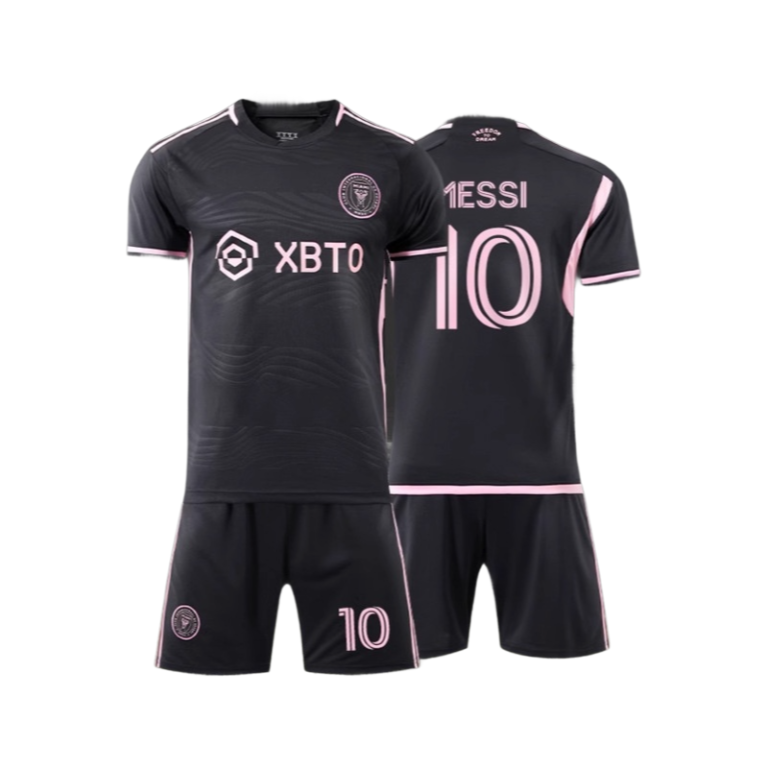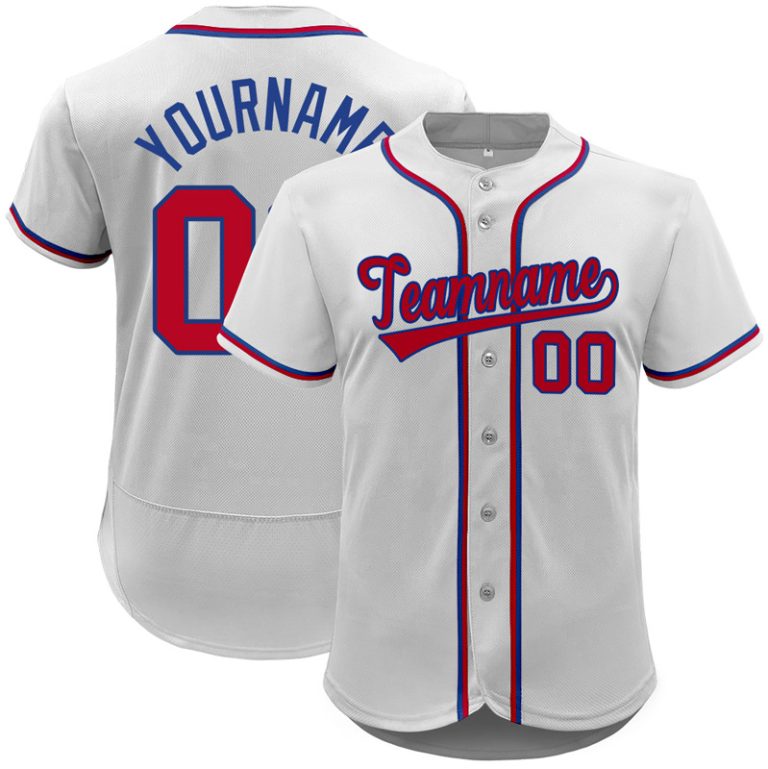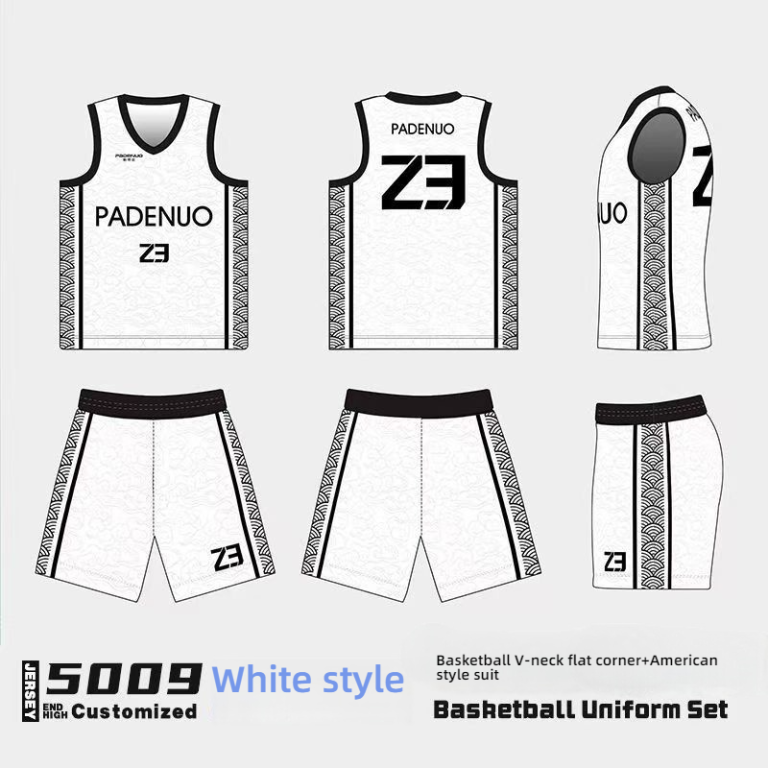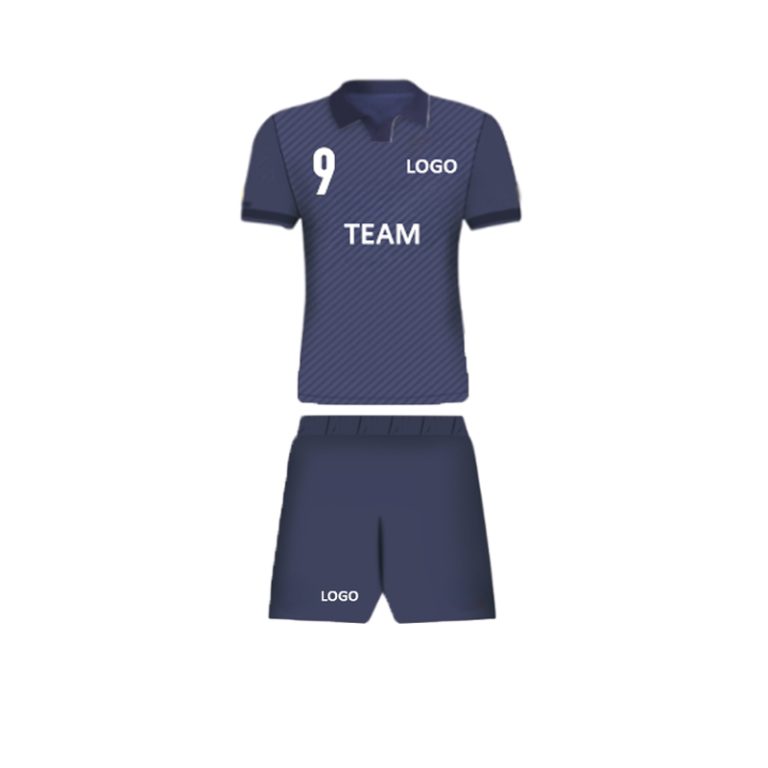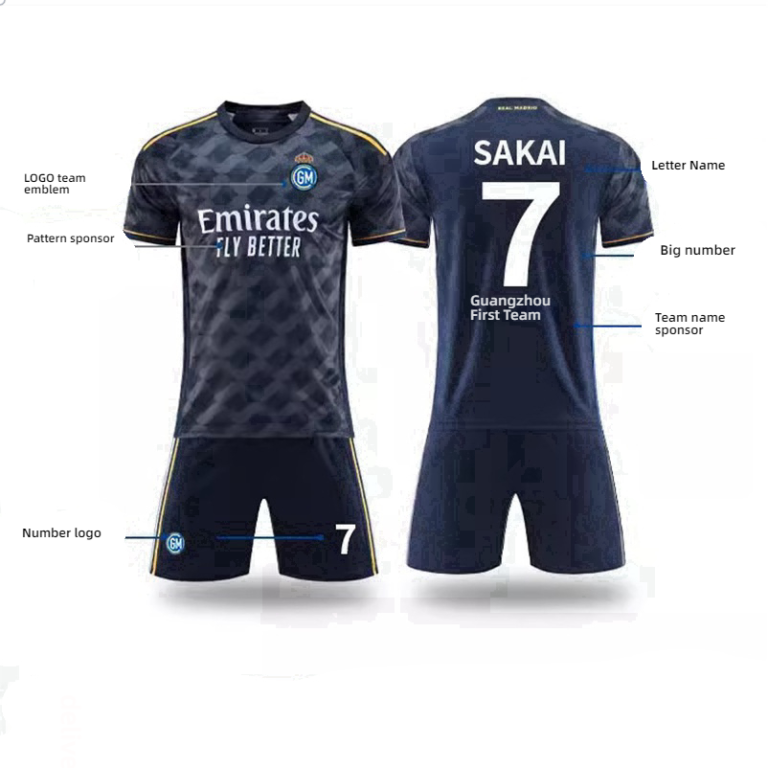
Sports Jersey Dress: IT’s Evolution and Fusion with Fashion
With the development of the times, sports apparel has evolved from being solely a product for competition to becoming an integral part of fashionable attire. This article will explore the transformation in consumers’ aesthetic demands for sports clothing, analyze the underlying reasons, and discuss the impacts.
Fashion Evolution in Sports Wear Design
The design of sports attire has undergone significant evolution in the fashion industry, transitioning from its initial focus on functionality to incorporating fashion elements, becoming an integral part of modern sports culture.
In the early days, the design of sports attire primarily emphasized functionality and comfort. For example, basketball jerseys were designed with breathability and elasticity in mind, ensuring athletes could maintain peak performance during intense games. Those jerseys had simple styles, with colors predominantly black, white, or the team’s main hues.
As times evolved, the design of sportswear began to diversify. Designers started to integrate popular elements into sportswear, such as the leisure sports style of the 1970s, which brought bright colors and geometric patterns to the attire. Even elements like decorative sneakers and shoelace designs were introduced, making sportswear not only practical but also fashionable.
In the 1980s, sports brands began to focus on brand image building, and the design of sportswear started to blend with brand culture. Brands like Nike and Adidas introduced sportswear that innovated not only in function, such as with the introduction of Dri-FIT technology to enhance moisture wicking, but also in appearance with more stylish cuts and patterns. During this period, the design of sportswear began to emphasize personalization and stylization, with celebrity endorsements and advertising campaigns making sportswear a part of fashion trends.
In the 1990s, with the rise of the sports-leisure style, the design of sportswear became more focused on leisure and comfort. Loose fits, comfortable fabrics, and relaxed patterns all reflected the fashion trends of the time. Additionally, the color palette of sportswear became more diverse, moving away from single tones to incorporating more bright and contrasting colors, allowing wearers to express their personalities in various everyday situations.
At the beginning of the 21st century, with the advancement of technology, the design of sportswear entered the high-tech era. Functional fabrics such as Gore-Tex waterproof and breathable materials and smart temperature-regulating fabrics began to be applied to sportswear, providing additional protection while maintaining comfort. Moreover, the design of sportswear also began to focus more on details, such as hidden zippers and techniques, which not only improved product quality but also enhanced the sense of fashion.
In recent years, with the rise of sustainable development and environmental awareness, the design of sportswear has started to pay attention to the use of environmentally friendly materials. Recyclable materials and organic cotton are gradually becoming the mainstream in sportswear, while designers are also exploring how to reduce waste and optimize design to minimize environmental impact.
The design of sports attire has evolved from a focus on functionality to a combination of fashion elements, brand culture, technological advancements, and environmental awareness, presenting a trend of diversification. This not only meets the diverse needs of modern consumers for sportswear but also drives the development and innovation of the sportswear industry.
The influence of sports jerseys in the fashion industry
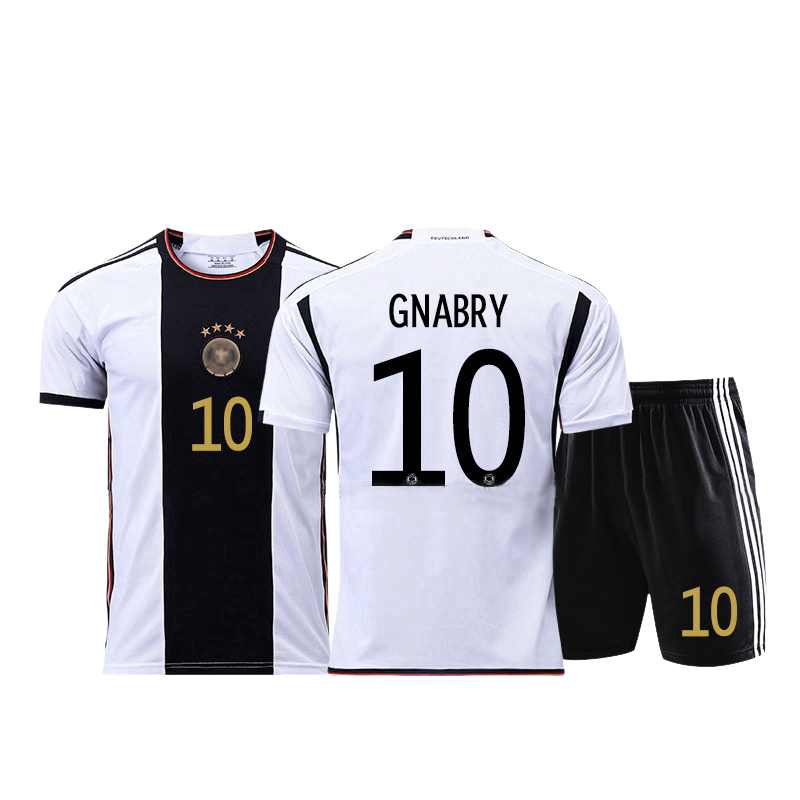
With the popularization of sports culture, sportswear has gradually moved from the sports field to the streets, becoming a symbol of trendiness. Street fashion enthusiasts incorporate sportswear as an essential part of their everyday attire, seamlessly blending sports with fashion, making sportswear no longer confined to sports events but a reflection of a lifestyle attitude.
On the fashion runway, sportswear has made frequent appearances. Designers integrate sports elements into high fashion, such as crossover collaborations between sportswear brands and luxury brands, combining sportswear with high-end customization to create unique fashion pieces. This type of collaboration not only enhances the image of sportswear brands but also elevates the status of sportswear in the fashion world.
The design style of sportswear is also constantly evolving, from simple cuts to complex patterns, from solid colors to color blocking. While maintaining their sports functionality, sportswear now places more emphasis on personalized expression. This diversity in style allows sportswear to cater to the aesthetic needs of different consumers, becoming a versatile choice for fashion coordination.
The limited edition collaborations of sportswear are also a highlight in the fashion industry. Many renowned brands collaborate with sportswear brands to release limited edition jerseys, which often have high collectible value and attract a large number of fashion enthusiasts. This type of collaboration not only boosts the popularity of sportswear brands but also makes sportswear a hot item for fashion collectors.
Driven by social media, the fashion influence of sportswear has further expanded. Influencers, celebrities, and other public figures share their sportswear outfits on social media, turning sportswear into a trend. This “influencer effect” has led more young people to pay attention to sportswear and incorporate it into their daily attire.
With the rise of environmental awareness, the concept of sustainable development has also been introduced into the design of sportswear. Some brands are starting to use eco-friendly materials to produce sportswear, satisfying consumers’ pursuit of fashion while also demonstrating a sense of responsibility towards the environment. This environmental-friendly sportswear has attracted widespread attention in the fashion world, becoming a symbol of social responsibility.
The influence of sportswear in the fashion industry is growing stronger. From street trends to high fashion, from limited edition collaborations to environmental concepts, sportswear, with its unique charm, has become an indispensable part of the fashion world.
Diversified occasions for wearing sportswear
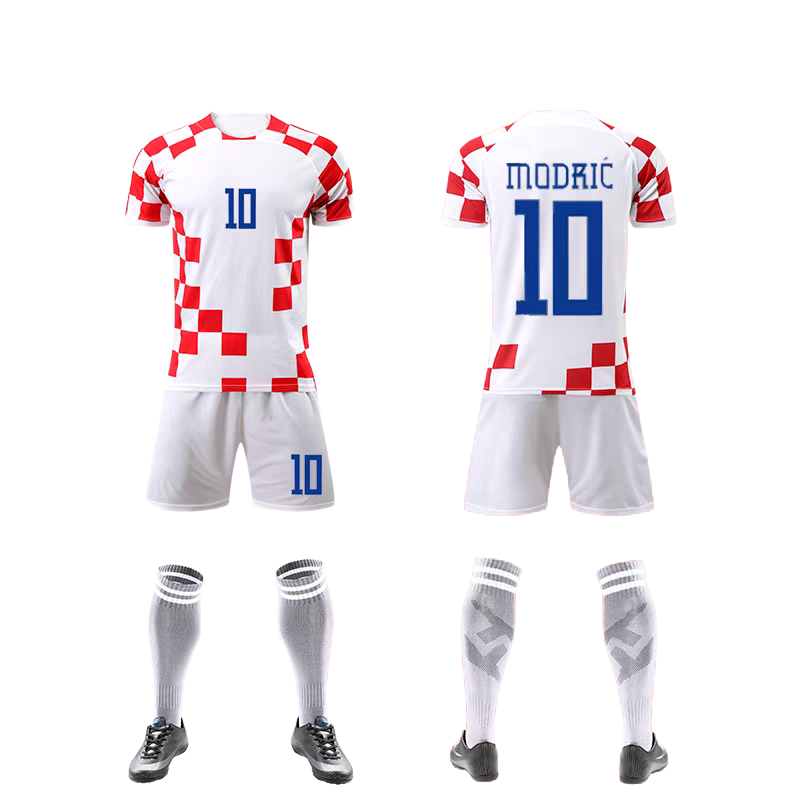
The wearing occasions for sportswear have advanced from singular to numerous, becoming an integral part of everyday apparel these days.
In avenue lifestyle, sportswear, with its informal and relaxed traits, has end up a device for young humans to explicit their character and style attitudes. avenue trendsetters pair sportswear with denims, shorts, sneakers, and diverse different clothes to create specific street styles, and sports clothing is not restricted to sports settings.
at the style runway, designers additionally draw notion from sports wear, integrating sports activities factors into excessive style designs. sports jerseys, music pants, and different sports wear items, after clever tailoring and shade matching, end up highlights on the runway. models wearing sports wear exhibit the proper fusion of sports activities and fashion.
inside the fitness center, the functionality and comfort of sportswear are critical. Tight-fitting game T-shirts, breathable music pants, and sports bras offer fitness enthusiasts with an great exercise enjoy. With the popularity of the health lifestyle, the sporting of sports wear in gyms has regularly grow to be a stylish trend.
In outside activities, the adaptability of sports clothing becomes a key thing. For activities like trekking, cycling, and hiking, sportswear ought to not handiest offer warm temperature, sun protection, and wind resistance however additionally be light-weight and breathable. The good sized use of purposeful sports clothing lets in outdoor lovers to enjoy the amusing of sports activities while additionally showcasing their individuality and style.
In enjoyment settings, sports wear has come to be the first choice for casual apparel. whether it’s a weekend walk inside the park or a coffee wreck at a café, a simple sport T-shirt paired with denims is both cozy and stylish. The enjoyment attributes of sportswear make it a flexible item in normal life.
With pass-emblem collaborations between sports wear and fashion manufacturers, the carrying events for sports clothing have accelerated in addition. Collaborative limited-version sports wear and stylish shoes have grow to be the objects of choice for trendsetters. sports wear is now not restrained to sports scenes however has come to be a new favored within the style circle.
In social events along with circle of relatives gatherings and pal get-togethers, the secure demeanor of sports wear is likewise quite famous. In a comfy and relaxed surroundings, a loose game T-shirt paired with casual pants is both comfortable and looks informal and generous.
The wearing occasions for sports wear are increasingly various, expanding from sports settings to various domains of day by day lifestyles and the style industry, turning into a really perfect blend of fashion and practicality.
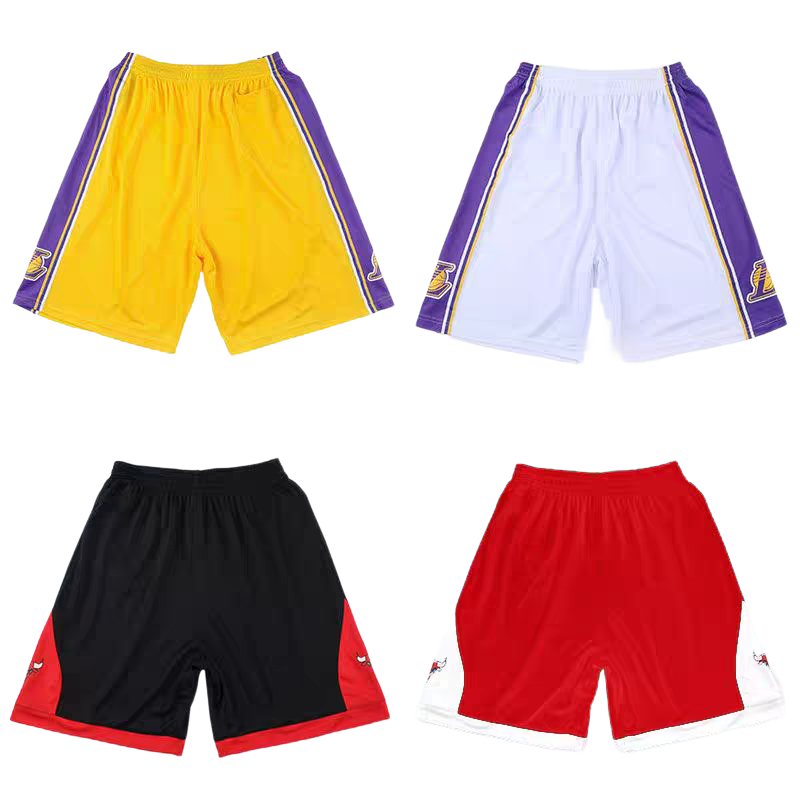
Innovations in jersey fabric and technology
The evolution of sports jersey fabric and technology has undergone a tremendous transformation from traditional to modern times. Here is a detailed description of this innovation:
Fabric Innovations1. From Cotton to High-Tech Fibers: Early sports jerseys were primarily made from cotton, which offered good sweat absorption and breathability but was prone to deformation and took a long time to dry. With the advancement of technology, synthetic materials such as polyester and nylon have been introduced, which are not only lightweight and breathable but also feature antibacterial and quick-dry properties.2. The Rise of Functional Fabrics: Modern sports jersey fabrics not only emphasize comfort but also functionality. This includes the use of polyesters blended for better breathability and thermal fibers that provide warmth, catering to the needs of different climates during sports activities.3. The Use of Eco-Friendly Materials: With the rise of environmental awareness, sports jersey fabrics are now also made with eco-friendly materials such as recycled polyester and biodegradable fibers, reducing their environmental impact.
Technological Breakthroughs1. Precision Cutting Techniques: The cutting techniques for sports jerseys have evolved from simple flat cutting to three-dimensional cutting, which better conforms to the human body’s curves, enhancing comfort and flexibility during exercise.2. Efficient Sewing Techniques: Traditional sewing methods can cause friction during movement, affecting the exercise experience. Modern jerseys use high-efficiency techniques such as heat-sealed seams and laser cutting to minimize seam heads, improving the durability and aesthetics of the jersey.3. 3D Printing: In some high-end sports jerseys, 3D printing technology is used to create complex patterns and structures, adding personalization to the jersey while enhancing performance.4. Intelligent Features: With the development of the Internet of Things, sports jerseys are beginning to incorporate smart elements such as built-in sensors and GPS positioning to provide real-time data feedback to athletes, optimizing training results.
Detail Optimizations1. Moisture-Wicking Function: Special processes like nano-coatings and microporous structures are used to make jerseys absorb and evaporate sweat quickly, keeping the skin dry.2. Antibacterial and Odor-Resistant Treatment: During sports activities, jerseys can easily become breeding grounds for bacteria, leading to unpleasant odors. By adding antibacterial agents and using antibacterial fibers, the growth of bacteria is effectively suppressed, keeping the jersey fresh.3. Lightweight Design: By reducing unnecessary fabric and structures, the weight of the jersey is lightened, improving the athlete’s efficiency during movement.
These fabric and technology innovations have not only improved the performance of sports jerseys but have also expanded their influence in the fashion world, making them an important component of street fashion.
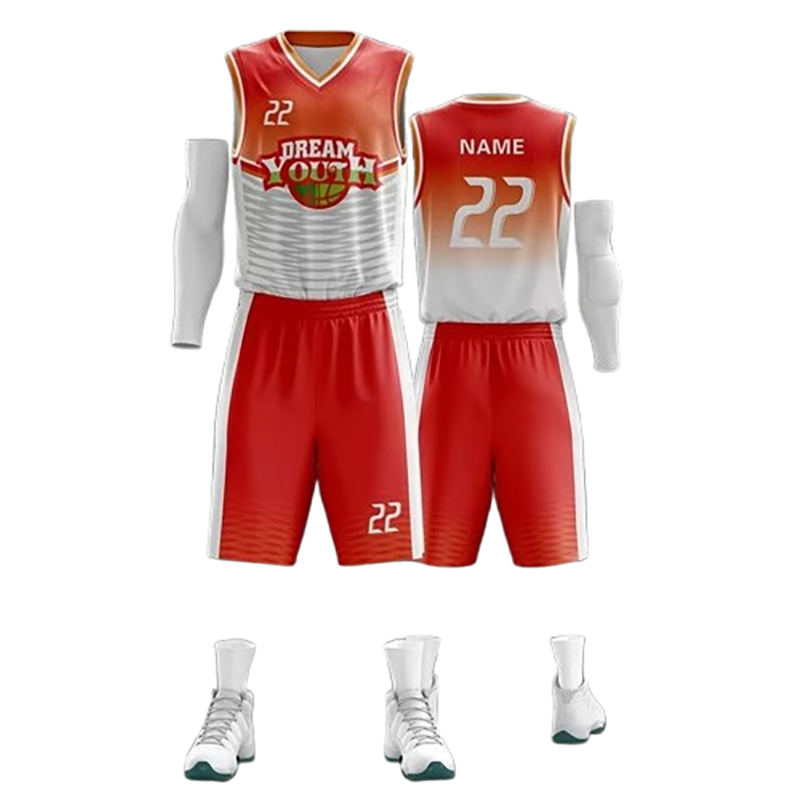
The relationship between sports apparel design and brand positioning.
The design of sports attire plays a crucial role in shaping a brand’s image, with brand positioning serving as the foundation for this design. Below are several aspects that illustrate the relationship between sports attire design and brand positioning:
-
Brand Personality and Design StyleThe design style of sports attire is often closely linked to the personality advocated by the brand. For example, brands emphasizing speed and strength might opt for simple, sleek designs to convey a sense of speed, while brands focusing on leisure and comfort may choose loose, comfortable cuts. Such differences in style enable consumers to quickly recognize and remember the unique characteristics of the brand.
-
Target Consumer Group and Design ElementsThe target consumer group in brand positioning directly influences the design of sports attire. For young, fashionable consumers, the design might incorporate more trendy elements, such as unique patterns and color combinations. For consumers who prioritize, the design may focus more on functionality, such as breathability and durability. This targeted design for different groups helps the brand find its place in the market.
-
Brand Story and Design ConceptBrand story is a significant component of brand positioning, and the design of sports attire is the visual representation of this story. For instance, a brand originating from outdoor exploration may integrate exploration elements into its design, such as weather-resistant materials and functional details, to convey the brand’s spirit and connotations.
-
Market Competition and Differentiated DesignIn the face of fierce market competition, brand positioning needs to differentiate through unique design, and sports attire design plays a key role in this process. By using distinctive cuts, material choices, and pattern designs, brands can create products with high recognition, thus establishing a unique brand image in the minds of consumers.
-
Brand Image and Design ConsistencyBrand positioning requires sports attire design to maintain consistency to strengthen the brand image. From brand logos to color coordination, to detail handling, every design element should align with the brand positioning. This consistency helps consumers, when encountering brand products, quickly associate with the core values of the brand.
-
Consumer Feedback and Design AdjustmentsBrand positioning is not immutable; as market environments and consumer demands change, brand positioning may need to be adjusted. The design of sports attire, as an important carrier of brand image, also needs to be adjusted according to consumer feedback. This dynamic adjustment helps the brand stay in sync with the market, ensuring that the design remains in harmony with the brand positioning.
There is a close relationship between sports attire design and brand positioning. Through precise design, brands can convey their core values, attract their target consumer groups, and secure a favorable position in the market competition.
Transformation of consumers’ aesthetic demands for sportswear
The aesthetic demands of consumers for sportswear have undergone significant changes, with the following key points:
-
Transition from Utility to Personal Expression in Sports StyleConsumers no longer view sportswear solely as functional gear but as a vehicle for personal expression. From simple sport T-shirts to complex sportswear sets, consumers are increasingly inclined to choose those that reflect their personal taste and style. This shift has led to a greater emphasis on details in sportswear design, such as color matching, pattern design, and the integration of brand logos.
-
Color Choices Move from Monotone to DiverseIn the past, sportswear colors were predominantly neutral tones like black, white, and gray, emphasizing and practicality. Now, consumers prefer bright colors and bold patterns, making the color choices for sportswear more diverse. This not only satisfies the need for vitality during exercise but also reflects the youthful generation’s pursuit of individuality and assertiveness.
-
Functional Fabrics Combined with Fashion ElementsWhile pursuing fashion, consumers have not lowered their demands for the functionality of sportswear. The development of new fabrics with properties like quick-drying, breathable, and antibacterial, combined with fashion elements such as embroidery, patchwork, and three-dimensional cutting, has made sportswear functional while also adding a sense of fashion. This combination meets the dual needs of consumers in both exercise and daily life.
-
Brand Personality Merges with Aesthetic DemandsWith the enhancement of brand awareness, consumers pay not only attention to the appearance and performance of the product when choosing sportswear but also to the brand’s personality and values. Brands convey their unique brand image through distinctive sportswear designs, while consumers express their identification with the brand culture through their choice of attire. This fusion of brand personality and aesthetic demand makes sportswear an important way for consumers to express themselves and assert their identity.
-
Environmental Awareness Influences Sportswear DesignIn recent years, environmental awareness has become increasingly ingrained in people’s minds, and consumers’ demands for environmental friendliness in sportswear have also increased. From the choice of fabric to the sustainability of the production process, and to the recycling and reuse of products, environmental considerations have become an important factor in sportswear design. For example, using recycled materials and reducing the use of chemical dyes are becoming new trends in the sportswear market.
-
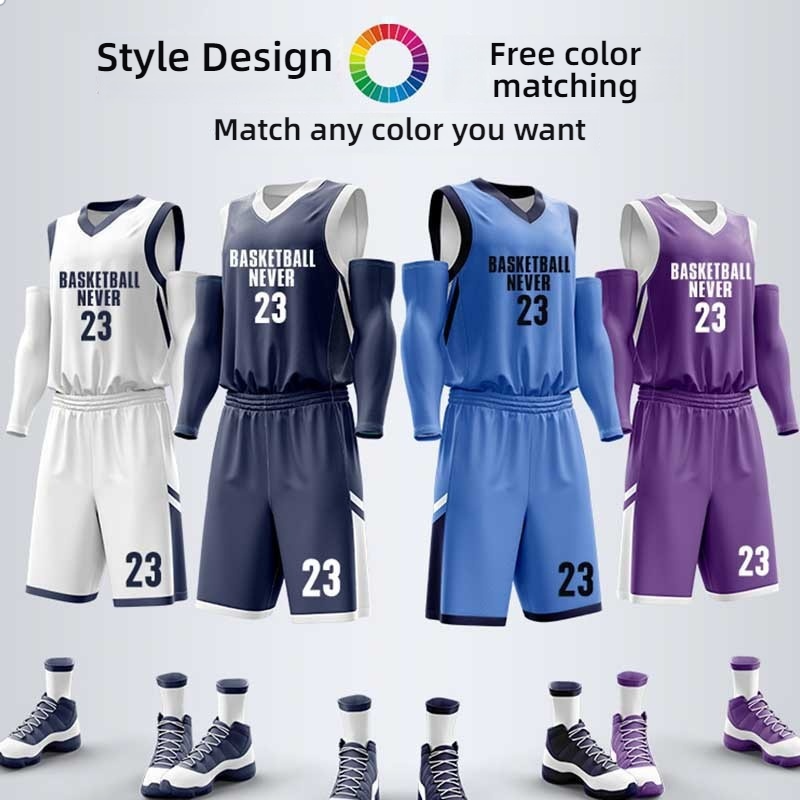
Personalized Customization Becomes a New TrendIn the pursuit of individuality, there is a growing demand for personalized customization of sportswear among consumers. By choosing different colors, patterns, and fabrics, consumers can create unique sportswear. This personalized customization service not only satisfies the pursuit of uniqueness among consumers but also drives innovation and development in the sportswear industry.
-
Sportswear and Technology FusionWith the advancement of technology, the design of sportswear has incorporated more high-tech elements. For example, functional designs such as smart temperature control, antibacterial odor prevention, and UV protection have made sportswear visually appealing and more practical. This combination of technology and fashion has further expanded the wearing scenarios and audience of sportswear.